
How to Choose a Flu Shot for Kids (2026 Guide)
Is a flu shot safe for babies?
The flu vaccine is recommended for eligible children beginning at 6 months of age. Infants younger than 6 months cannot receive it, so caregivers and household members should discuss vaccination with their own clinicians.
Can a child get a flu shot while mildly sick?
A mild illness does not always prevent vaccination, but the right decision depends on the child’s symptoms and health history. Ask the pediatric clinician before the appointment if the child has a fever or feels significantly unwell.
When should children get their yearly flu vaccine?
Families should follow current seasonal recommendations and ask their pediatric office about timing. Vaccination before influenza becomes widespread may provide useful protection, but children can still benefit later in the season.
What if my child had a reaction to a previous vaccine?
Tell the clinician exactly what happened, when it occurred, and which vaccine was involved. The care team can review the history and discuss whether vaccination is appropriate and what precautions may be needed.
Where can I ask about my child’s other preventive visits?
Families can review the Well Child Visit Schedule and explore Appointments for general scheduling information. Questions about a specific child should be discussed directly with the pediatric care team.
The flu vaccine is recommended for eligible children beginning at 6 months of age. Infants younger than 6 months cannot receive it, so caregivers and household members should discuss vaccination with their own clinicians.
A mild illness does not always prevent vaccination, but the right decision depends on the child’s symptoms and health history. Ask you child's pediatric clinician before the appointment if the child has a fever or feels significantly unwell.
Families should follow current seasonal recommendations and ask their pediatric office about timing. Vaccination before influenza becomes widespread may provide useful protection, but children can still benefit later in the season.
Tell the clinician exactly what happened, when it occurred, and which vaccine was involved. The care team can review the history and discuss whether vaccination is appropriate and what precautions may be needed.
Families can review the Well Child Visit Schedule and explore Appointments for general scheduling information. Questions about a specific child should be discussed directly with the pediatric care team.
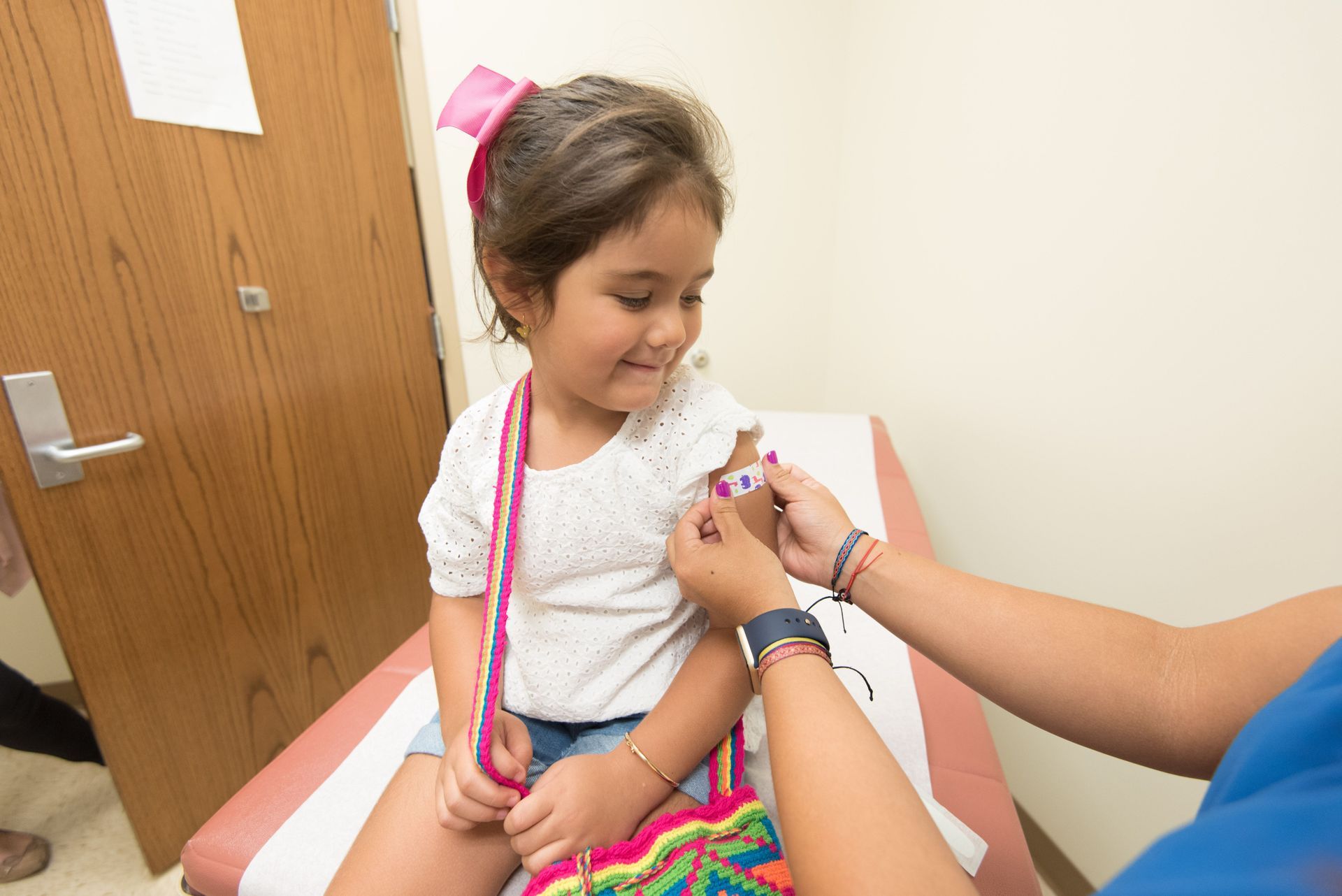
Flu shot for kids is a yearly vaccine recommended for children 6 months and older to reduce their risk of influenza and related complications. Annual vaccination matters because flu viruses change, protection decreases over time, and children can spread influenza at home, school, and in the community.
Why do kids need a flu shot every year?
A yearly flu vaccine gives children updated protection for the current flu season. There are several reasons annual vaccination is important:
- Flu viruses change from season to season, so vaccine formulas are reviewed and updated.
- Protection can decrease over time after vaccination.
- Children regularly encounter germs in classrooms, child care, activities, and public spaces.
- Vaccination lowers the chance of severe influenza and helps protect vulnerable family members.
The flu is more than a bad cold. It can cause fever, cough, sore throat, body aches, fatigue, vomiting, or diarrhea. Most children recover, but some become seriously ill and need urgent medical attention or hospitalization.
A flu shot does not guarantee that a child will never get influenza. However, it can reduce the likelihood of illness and may make an infection less severe. It also supports community protection when more eligible people are vaccinated.
Which children are at higher risk of flu complications?
Influenza can affect any child, including children who are usually healthy. Younger children, especially those under 5, have a higher risk of complications. Infants under 6 months are too young to receive a flu vaccine, making vaccination for eligible household members especially important.
Children with certain medical conditions may also face increased risk, including some respiratory, neurologic, metabolic, or immune-related conditions. Asthma, for example, can make respiratory infections more challenging.
Potential flu complications include:
- Dehydration from fever, vomiting, or poor fluid intake
- Ear or sinus infections
- Pneumonia or worsening breathing problems
- Inflammation affecting the brain or muscles, though these complications are uncommon
- Hospitalization in severe cases
Call a medical professional promptly if a child has trouble breathing, unusual sleepiness, signs of dehydration, a bluish color, severe weakness, or symptoms that improve and then suddenly worsen. For immediate emergencies, follow your local emergency-care guidance.
Who can get a flu shot for kids?
Routine flu vaccination is recommended for children 6 months and older. Children younger than 6 months cannot receive the flu vaccine themselves, so prevention focuses on vaccination of eligible parents, siblings, caregivers, and other close contacts.
Children should receive the vaccine each season according to current recommendations and their medical history. A pediatric clinician can help families determine the appropriate timing and whether a child needs one dose or two.
Why do some kids under 9 need two flu vaccine doses?
Some children younger than 9 who are receiving influenza vaccination for the first time—or who have not previously received enough influenza vaccine—may need two doses during the same flu season. The doses are separated by an interval recommended by the child’s clinician.
The reason is that a child’s first vaccination series may require an initial dose to introduce the immune system to influenza vaccine and a second dose to strengthen protection. Not every child under 9 needs two doses, so parents should share the child’s prior vaccination history when scheduling.
A simple preparation checklist can help:
- Ask whether the child has received flu vaccine in prior seasons.
- Bring or review immunization records if available.
- Mention allergies, previous vaccine reactions, and current health concerns.
- Ask when a second dose is needed, if recommended.
- Schedule the next dose before leaving when appropriate.
Complete Care for Kids' Immunizations page can provide a helpful starting point for families reviewing routine preventive care. Your child's clinician should provide individualized guidance.
What are common flu shot side effects in children?
Most vaccine side effects are mild and temporary. They may begin soon after vaccination and generally resolve on their own. Common effects can include:
- Soreness, redness, or swelling where the shot was given
- A low-grade fever
- Tiredness
- Headache
- Muscle aches
These effects are signs that the immune system is responding; they do not mean the child has influenza. The injectable flu vaccine cannot cause flu because it does not contain a live, infectious influenza virus.
Parents can help a child rest, offer fluids, and monitor symptoms. Ask the child’s clinician before giving medication for discomfort, especially for infants or children with other health conditions. Contact a medical professional if symptoms are severe, unusual, persistent, or concerning.
What flu shot myths should parents know?
Myth: The flu shot gives children the flu.
The flu shot cannot give a child influenza. A child may experience mild soreness, fatigue, or fever after vaccination, or may encounter a different virus around the same time. Those experiences can be mistaken for flu.
Myth: Healthy children do not need vaccination.
Healthy children can still catch and spread influenza. Vaccination helps lower their risk of illness and may reduce the chance of severe disease.
Myth: One flu shot protects a child forever.
Protection is seasonal. Children need vaccination each year because influenza viruses and vaccine recommendations can change, and protection may decline over time.
Myth: Getting vaccinated guarantees a child will not get sick.
No vaccine provides perfect protection. The goal is to reduce risk, severity, and complications while helping protect the wider community.
FAQ about the flu shot for kids
Is a flu shot safe for babies?
The flu vaccine is recommended for eligible children beginning at 6 months of age. Infants younger than 6 months cannot receive it, so caregivers and household members should discuss vaccination with their own clinicians.Can a child get a flu shot while mildly sick?
A mild illness does not always prevent vaccination, but the right decision depends on the child’s symptoms and health history. Ask the pediatric clinician before the appointment if the child has a fever or feels significantly unwell.When should children get their yearly flu vaccine?
Families should follow current seasonal recommendations and ask their pediatric office about timing. Vaccination before influenza becomes widespread may provide useful protection, but children can still benefit later in the season.What if my child had a reaction to a previous vaccine?
Tell the clinician exactly what happened, when it occurred, and which vaccine was involved. The care team can review the history and discuss whether vaccination is appropriate and what precautions may be needed.Where can I ask about my child’s other preventive visits?
Families can review the Well Child Visit Schedule and explore Appointments for general scheduling information. Questions about a specific child should be discussed directly with the pediatric care team.
Protect your child this flu season
A flu shot for kids is a practical yearly step for children 6 months and older. It helps reduce the risk of influenza, serious complications, and transmission to vulnerable relatives, while mild side effects are usually temporary. Some children under 9 need two doses based on their vaccination history, so review records and ask a pediatric clinician for guidance. If you are ready to discuss seasonal vaccination or your child’s broader preventive care, book an appointment with Completed Care for Kids, serving Midlothian and nearby Richmond-area communities.